“…when everything that dies shall rise.”

“A lot of writers seem really dumb, but you don’t, so I thought I should write to you.”

I can’t find the first email Jake Seliger sent me, but that was the gist of it—delivered with bluntness that cloaked genuine hope. Then in his mid-20s, Jake wanted me to read a draft of his memoir about cancer treatments he’d undergone when he was in college. His take was contrarian: Cancer was an annoyance that delivered no epiphany—although it did start him thinking about what gives us meaning in life.

Thus began an unlikely but rewarding 15-year friendship, cultivated through millions of emailed words, two lunches, and a few phone calls—until Jake died in August 2024 of head-and-neck cancer, just weeks before his wife gave birth to their daughter. He was 40.

In his writing and blogging, no matter the subject, whatever his angle, Jake tended to poke at the same sprawling question: How do we see through the haze of conventional wisdom and other people’s self-interest to make our own good choices? His most popular pieces were warnings not to go to grad school in the humanities and an assessment of the pitfalls of med school based on his wife’s experience as a doctor. He had no patience for “follow your heart” naivete or the pronouncements of elders who had prospered under vastly different conditions. His insistence grew from his own misgivings: He regretted his year in law school and rued his time in a doctoral program in English. He wrote a dissertation about academic satire in modern novels only to conclude that academia in the 21st century was so absurd as to be beyond satire. His practicality irked his advisor, but Jake wasn’t about to cringe and writhe like Uriah Heep for a shot at a likely imaginary job.

Yet Jake became a teacher, snagging adjunct positions in New York and Arizona, eager to share his hard-earned experience as a writer and reader. By giving college kids writing that shaped his own thinking, he hoped to show them how to read closely and think clearly—skills he wished he hadn’t struggled to learn on his own. When he met students who used their brains to cultivate a worldview, even if he disagreed with them, even if their lives and backgrounds and goals were alien to him, he was delighted, and told me about the best ones.

Like most of us, Jake was frustrated by the disparity between the work that goes into writing and its meager returns, both social and financial. It was a cruel irony, but one he accepted, that his posts about cancer in 2023 and 2024 found a wide readership, especially among others who were suffering as he was. Most of us avert our eyes from the subjects Jake had no choice but to discuss, including the torturous maze of clinical trials and the need for a “right to try” for terminally ill patients seeking experimental treatments. I hope Jake helped his readers. I know he made some of them feel less alone.

The day before he passed, Jake made me laugh. “Tons of response from Twitter, Hacker News, and elsewhere to the recent posts,” he wrote to me. “Nothing like dying to amp up the traffic for a bit, I guess.”

And that was another irony: Before cancer, Jake rarely looked to his own life for inspiration. He was a successful grant writer. He had an intimidating knowledge of advances in battery technology and other trends in tech. He wrote novels about sexual politics. He corresponded with pundits and writers whose names you would recognize, as well as many others who caught his attention: bloggers, independent publishers, literary critics, tech gurus, even a sex worker writing a memoir. Starving for fiction that didn’t bore him, he was amazed not by books about Brooklynites’ social-emotional minutiae but by Lonesome Dove, The Name of the Rose, and other big, ambitious novels that used heaps of broken images to celebrate the why and the how of living. Jake felt hampered by a lack of solid guidance as a kid. He regretted wasting some of his teen years on video games and self-pity. I think that’s why he craved fiction with characters whose goal in knowing themselves was to make better sense of life itself.

Long before cancer, Jake knew that we need to make the most of our too-brief lives, and that most of us don’t.

Jake thrived on thoughtful disagreement. He disliked two things I really like—poetry and long car trips—and he was comically vague in his efforts to avoid insulting me when those topics arose. So help me, I reciprocated at times with my own graceless silence. I could live to be a thousand and never share a sliver of Jake’s arcane passion for residential zoning reform. He was a techno-optimist; I took a drearier view. But for fifteen years, we two very different friends kicked around ideas and learned from each other. Sometimes weeks passed between emails—and then we’d volley several replies in a week. We talked about art, writing, social trends, teaching, bureaucracy, nonprofit work, our long-term plans, our families—our whole lives, really. Anyone who aspires to see what’s true in the world should have a friend as gloriously unswayed by popular opinion as Jake was.

“One virtue of a prolonged end is that I feel I’ve said everything I have to say,” Jake wrote after more than a year of struggle. But only cancer forced that clarity, cramping an otherwise ravenous mind. He’s been gone for months, but every week I see articles and stories that make me think, “I’ve got to send this to Jake,” or a notion pops up that I want to run past him. And then I remember why I can’t. For the rest of my life, I’ll have conversations with Jake in my mind. I don’t expect them to fade.

And in the end, he left all who knew him an example of how to reckon ourselves honestly, to use our time well, and to be sad without despairing. Jake wasn’t religious, but he died the way those of us who are religious know we should, but rarely do: with gratitude and peace—even after losing his tongue, after struggling to eat, speak, and swallow, and knowing he wouldn’t live to hold his daughter:

Though having my life cut short by cancer is horrible, I’ve still in many ways been lucky. Most people never find the person who completes them, I think, and I have. I’ve been helped so much. Numerous oncologists have gone above and beyond. Many people, friends and strangers, have asked if there is anything they can do to help.

[. . .]

The gift must be given back, sooner or later, willingly or unwillingly, and sadly it seems that I will be made to give it back before my time. I have learned much, experienced much, made many mistakes, enjoyed my triumphs, suffered my defeats, and, most vitally, experienced love. So many people live who never get that last one, and I have been lucky enough to.

When our time comes, how many of us will say the same?

“Ancient walls of whispers, falling low…”

Early last year I heard from Paul Deane, a theoretical linguist who maintains the website alliteration.net and edits Forgotten Ground Regained: A Journal of Alliterative Verse. Having gotten wind of my long, don’t-care-if-anyone-gets-it poem The Beallsville Calendar, Paul kindly listed me on his site and accepted two of my pieces that might never have landed anywhere else. After writing mostly in isolation for years, I was—and still am—cheered to find a whole online community taking a serious interest in alliterative forms.

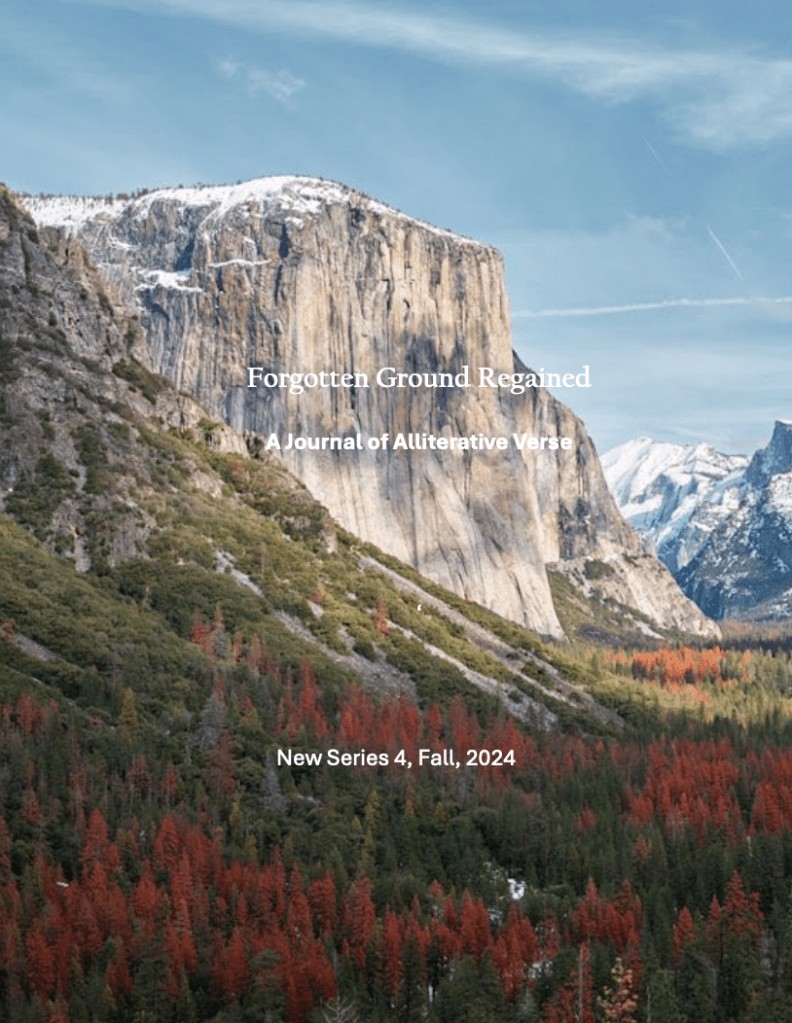
“Entreating a Sick Kitten” appeared in the fall 2024 issue, which was devoted to poems of love and loss. My entry is a rare bit of autobiographical dabbling. I hope it’s not what you’d expect from a cat poem, alliterative or otherwise.

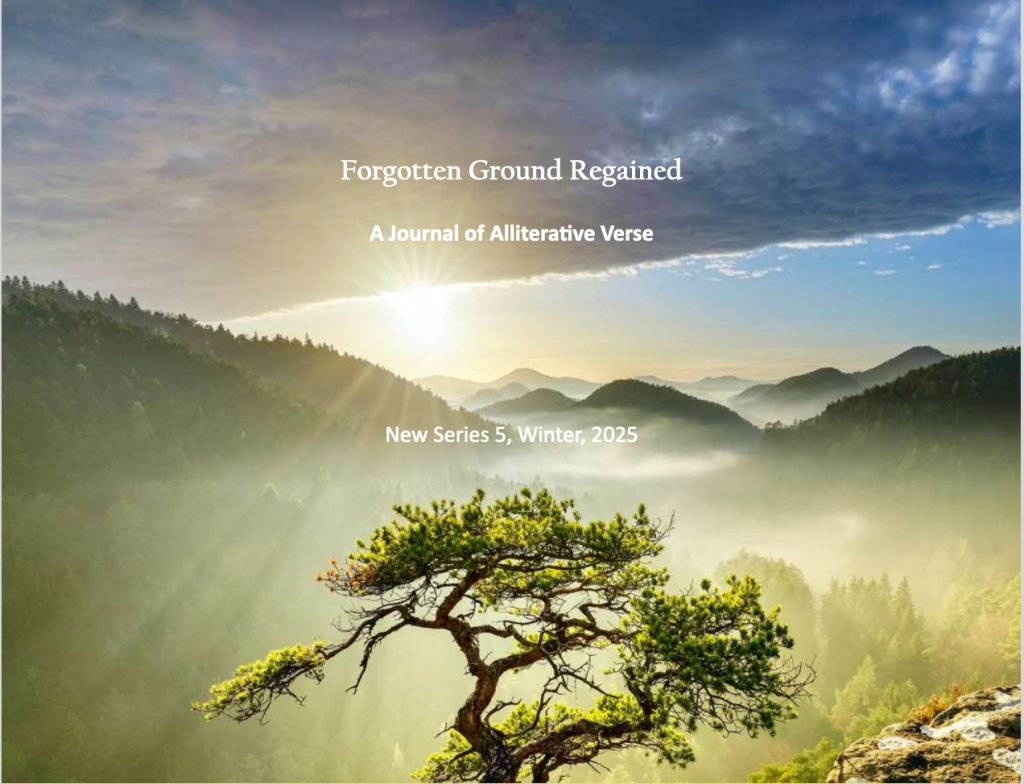
Another of my alliterative poems, “Interloper,” found a home in the winter 2025 issue, which focuses on the natural world. When the start-up art center where I’m a board member asked me to contribute to its first poets-and-artists roundtable in 2023, the theme “the nature that sustains us” inspired some lovely writing by the participants. I chose to strike a contrary chord.

Forgotten Ground Regained is a contrarian’s delight. Some of its contributors are committed to modern recreations of Old Norse and Old English forms, while others just want to play with language and sound. Many fancy print journals inspire little conversation, and I often assume their contributors admire only their own pieces and ignore everyone else’s. By contrast, Forgotten Ground Regained fosters a blessedly eccentric community of poets who write and read others’ work with genuine curiosity and enthusiasm, and reading it brings what other journals too often lack: the joy of surprise.

* * *

Speaking of alliterative poetry…

When I moved from the city to the country in 2015, I used this blog to draft The Beallsville Calendar, a year-long poem in monthly installments. Years of on-demand writing for professional clients and paid markets got tiresome, so I wrote this one totally for myself, without worrying about what editors wanted, whether the verse got indulgent, or whether anyone even understood the damned thing. The Beallsville Calendar was inspired by an early medieval poem I hope to publish in translation soon. Blog readers bought a bunch of printed copies, but I don’t actively sell the book anywhere—because who’s clamoring for a long, cryptic, medieval-inspired alliterative poem about sudden immersion in nature?

Dennis Wilson Wise is! Dennis is the editor of Speculative Poetry and the Modern Alliterative Revival: A Critical Anthology, which is packed with little-known poems from writers who’ve worked outside the mainstream, with a particular focus on genre fiction and fanzines. To my surprise, he “unabashedly loved” The Beallsville Calendar. I’m grateful to him for the review. He couldn’t have complimented me better than calling my poem “especially American and Walden-esque.”

Connecting with the right good reader is always better than a larger number of ephemeral eyeballs. As corporate social media further ossifies, we’ll all begin looking for each other again, on a more human scale, perhaps not entirely online.

“When your whole life is on the tip of your tongue…”

In October, a rare free weekend surprised me. I put aside the books I’m drafting, asked everyone who relies on me to grant me a few selfish days, and drove nine hours north and thirty years into the past.

I barely recall how, but I once spent 16 unhappy months in New Hampshire, where a dead-end graduate program drained me, and bookstores kept me sane. In my dim, distorted memory, every crossroads held the promise of a grimy old house or dilapidated barn with a mumbly, gloved proprietor deep in reading, as if books held back the biting wind.

My first morning made me wonder if I’d ever lived there at all. Roads I thought went north went south. The grocery store wasn’t where I’d left it. The nearest small city, quaint and quiet in the ’90s, now bustled with luxury. The wood-paneled seminar room where I learned Old English and read Beowulf was now an office hallway, swa hit no waere. And most of the bookstores were gone.

Most, but not all. I drove west, on roads with views as gorgeous as they were unfamiliar. The turnoff into tiny Henniker nudged a memory, and I heeded it: Pass through town, bear right at the memorial and town hall, and head up the hill to the woods.

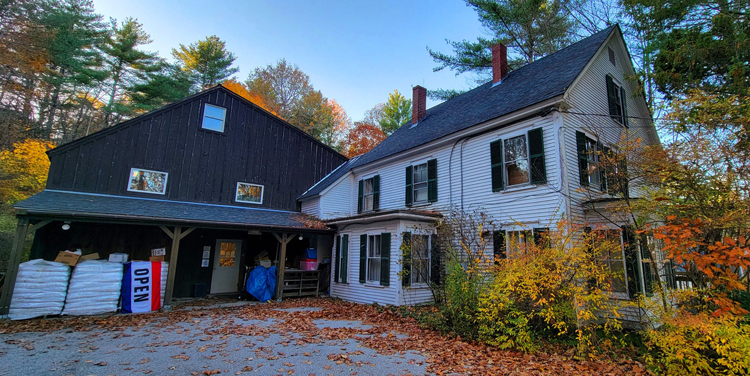
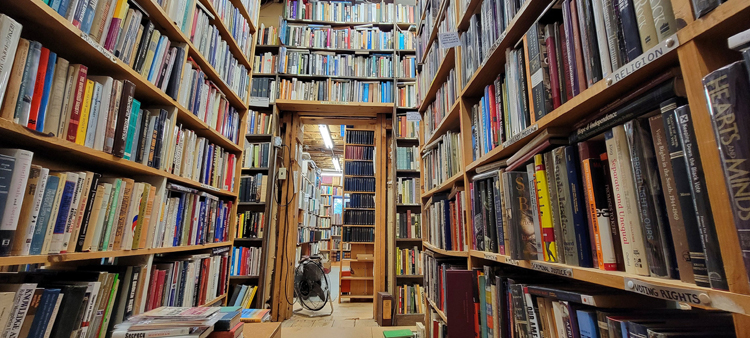
Marked only by a windworn sign, posing as just another farmhouse, was—and is—the platonic form of the rural used bookshop: the Old Number Six Book Depot.

The outside world, new and strange, no longer mattered. Stepping inside Old Number Six—its thick barn-and-book smell, the visual overload, the promise that anything might wait on its shelves—flung me, like a whirl of wind and wings, back to a very real 1994.

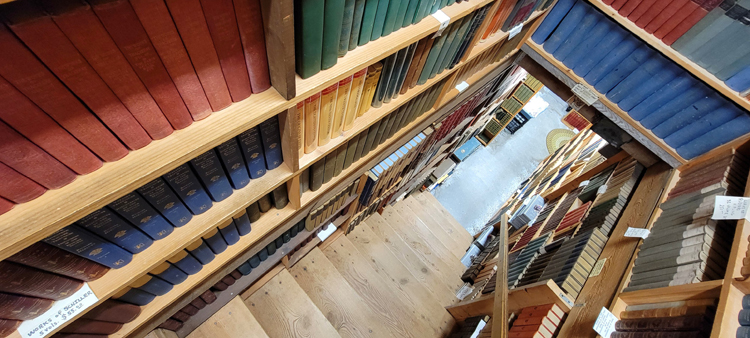
I’ve been to some great secondhand bookstores, some of them as large as Old Number Six, many in just as unlikely locations, yet Old Number Six outshines them. It’s even more glorious than I remembered. There’s not a single subject that isn’t represented on its two vast floors. The shelves are so densely packed that you need to go upstairs just to get a faint cell-phone signal—on the off chance the books briefly cease to beguile you. So many words and thoughts amid such provident silence: You start to understand why revelations of the infinite must awe the human mind.

Although whiter of beard and harder of hearing, the proprietor is the same fellow who sold me piles of books in the early 1990s: reticent but kindly, with a granite resistance to compliments. For thirty years, I’ve worked, traveled, written, moved, and chased down opportunities that would have been unimaginable in the drear of 1994. All the while, 363 days a year, he’s been at his desk, with an air of contentment born of duty, like some cosmic guardian of knowledge.

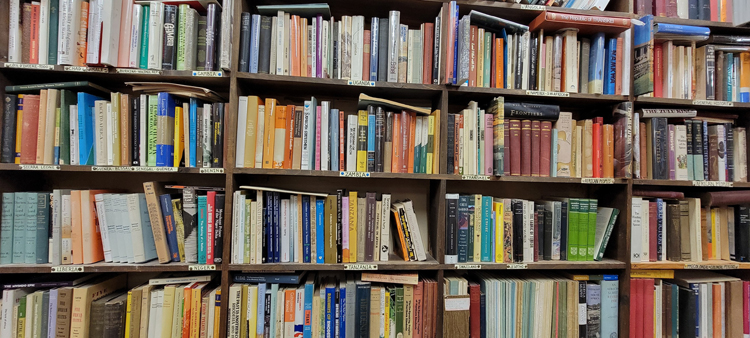
He claims to have 160,000 books, but I’m confident he has at least three times that many, and they’re organized with care. He doesn’t lump together all books about Africa, for example, but meticulously classifies them by country or culture—so if you’re looking for books only about Lesotho, Benin, or Guinea-Bissau, he’s made the search easy for you.

As I paid for my books after hours of browsing, I mentioned that the only difference I saw after thirty years was that he had moved the checkout desk to the opposite side of the entryway to make space for more shelves. He gave me a benevolent look and replied, after a pause, like an archangel of Yankee understatement: “Well, it has been a while.”

Indeed—but when so much has changed that the past feels full of false or fleeting memories, I found tons of old paper holding it steady, holding it down, giving it ballast to keep it from blowing away. And I turned back to the present, pleased at last with where I’d been.

“The walls between us all must fall…”

I set down this remembrance here, because it is an instance to myself of the manner in which I fitted my old books to my altered life, and made stories for myself, out of the streets, and out of men and women; and how some main points in the character I shall unconsciously develop, I suppose, in writing my life, were gradually forming all this while.

[. . .]

When my thoughts go back now, to that slow agony of my youth, I wonder how much of the histories I invented for such people hangs like a mist of fancy over well-remembered facts! When I tread the old ground, I do not wonder that I seem to see and pity, going on before me, an innocent romantic boy, making his imaginative world out of such strange experiences and sordid things.

David Copperfield, chapter 11

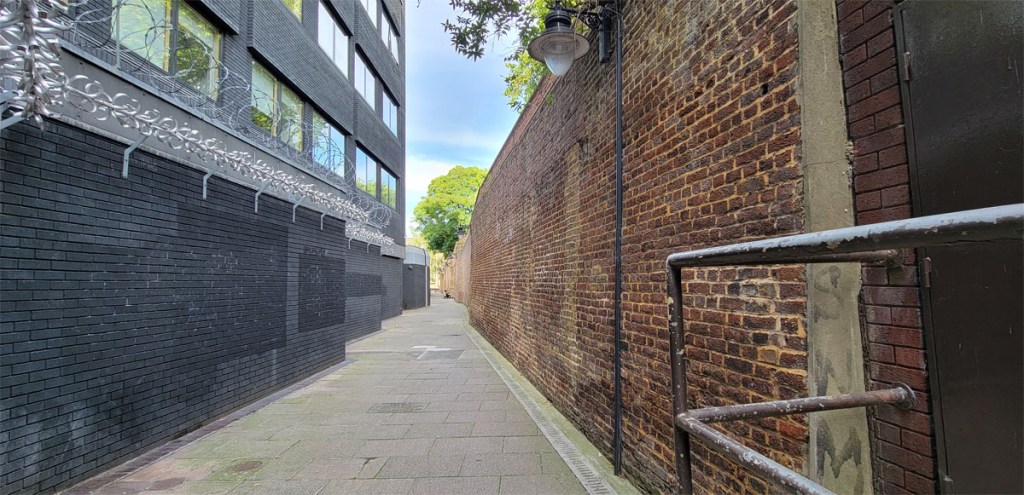
Photo: surviving wall of Marshalsea Prison (on right), London, 2024

“Gotta go inside, back where it started…”

Once, this blog flourished. Now it languishes, but I’d rather think of it as fallow, resting and regenerating before eventual re-sowing. It’s ready when a project comes along.

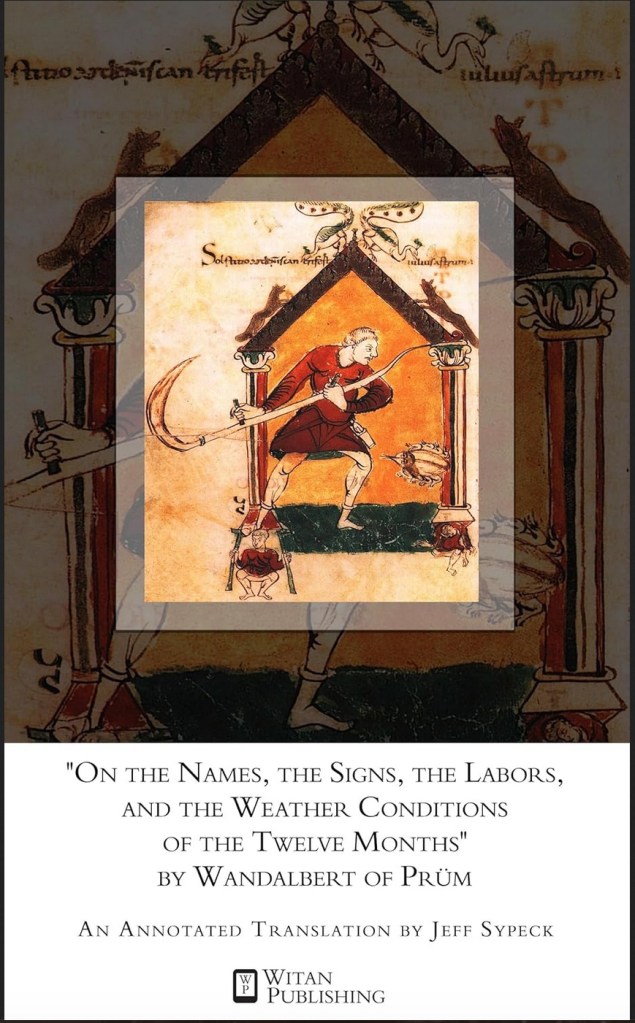
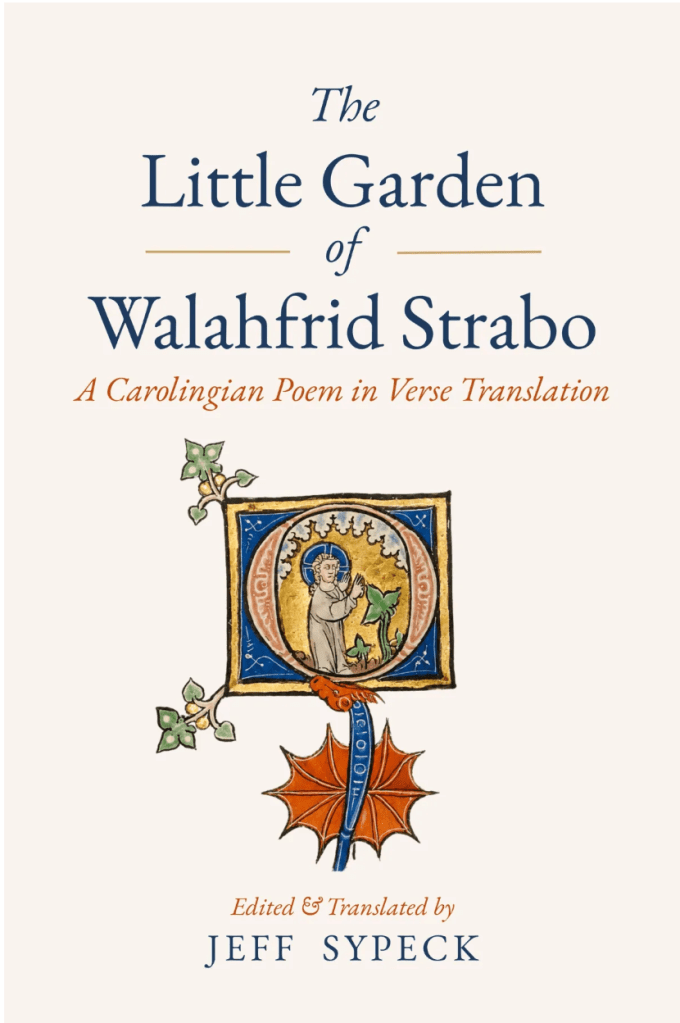
Readers, when I had them (cue the folk music: “gone to Substack, everyone…”), told me that I never revealed much personal information on this blog. That won’t change, but I will say this: The writing goes ever on and on. I have a monograph coming out soon: a peer-reviewed annotated translation of a medieval poem. I’m also finishing a draft translation of a second medieval work. A decade ago, I pushed both of these projects into my mental root cellar as my interests changed, but I’ve hauled them back out as a way of bidding adieu, perhaps, to the Middle Ages.

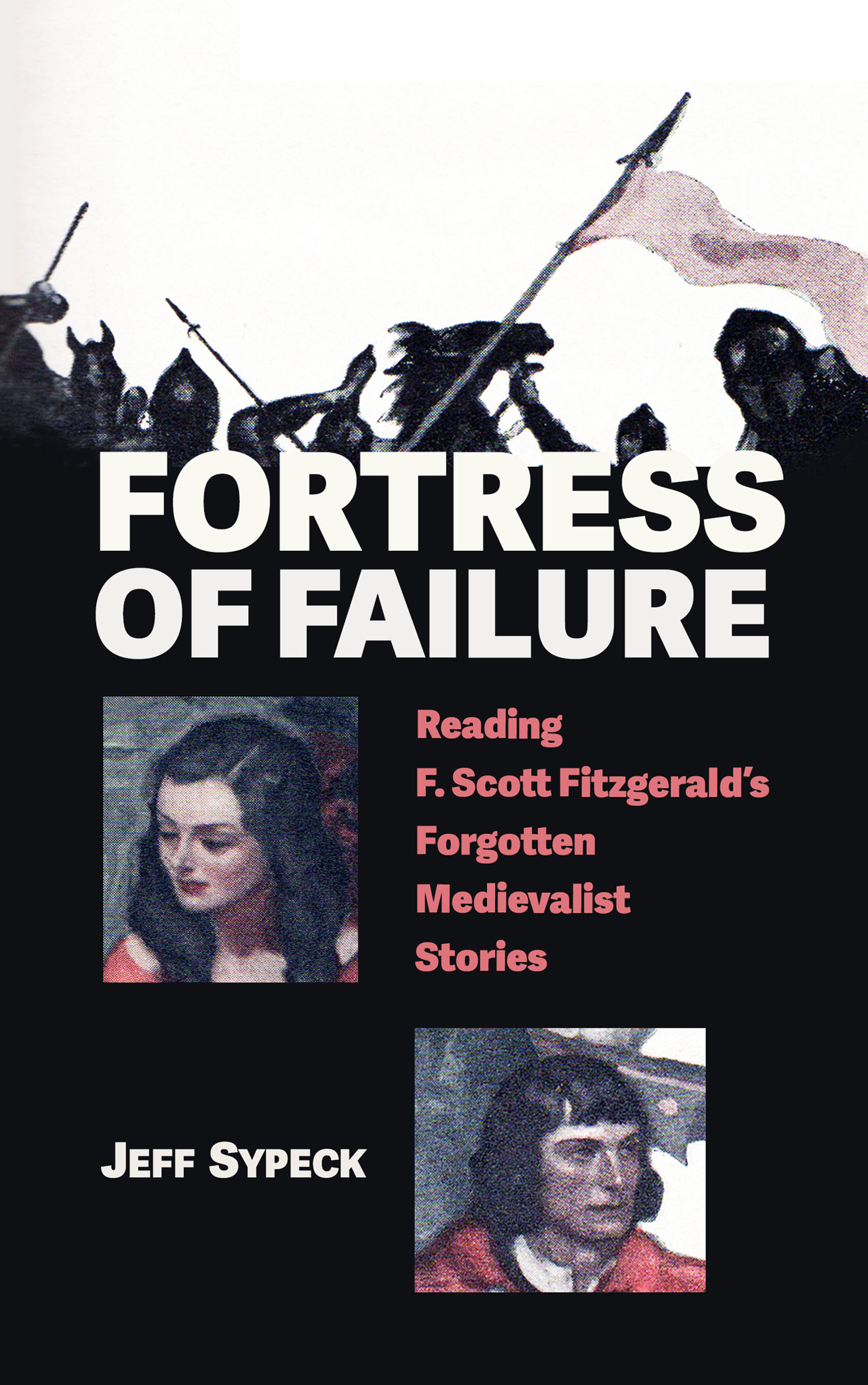
These days I’m focused on the local: To honor a late friend, I’m writing a second book about African American history here in my rural corner of Maryland. I have poems in the works, too, including a short translation from Russian. Meanwhile, 250 pages of notes about American medievalism cry out to become a book. There’s probably still time.

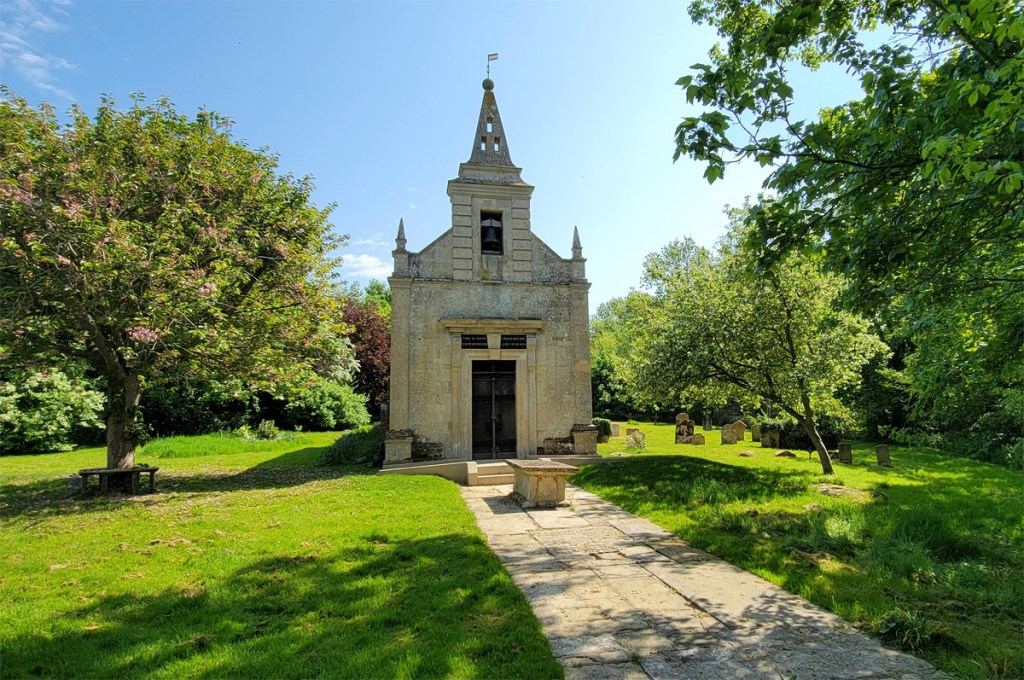
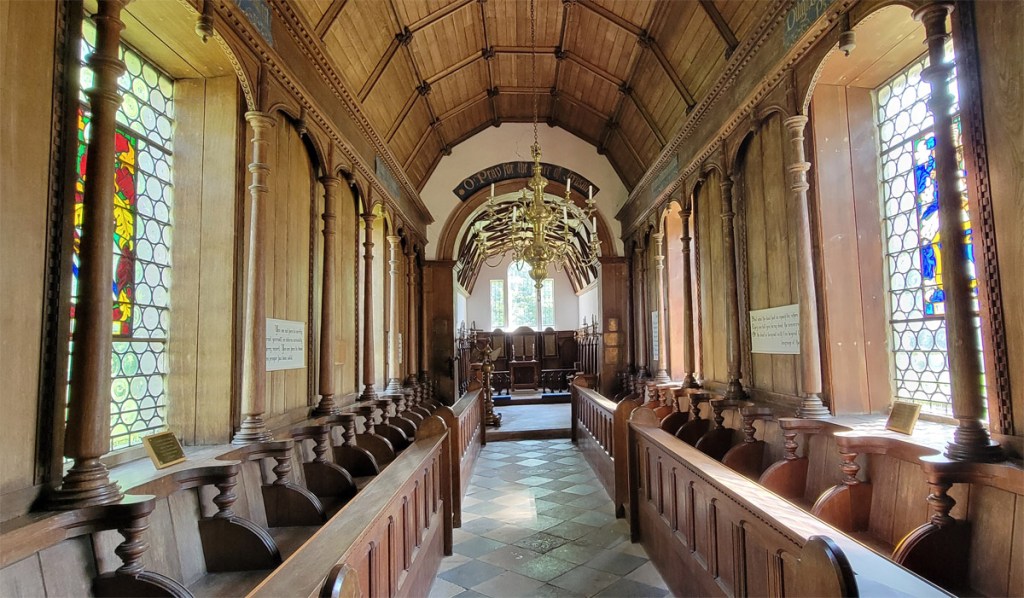
In recent years, I’ve pulled my nose out of books more often than I once did. I help coordinate a food pantry, and I’m on the boards of a startup art center and two local history nonprofits. These three organizations include historic cemeteries, two of which are still active burial sites, and I help make decisions about their maintenance and preservation. It seems I’m meant to have a ground-level relationship with the dead. Literature and history prepared me well.

And what about you? If, by chance, you still stop by to see if this blog is ever updated: How are you?

“…and he saw his days burn up like paper in fire.”

“Quid Plura?” is still here, and although the site is updated less than before, I’m still pleased to have an online notebook for stuff that fits nowhere else. I say that every year, and it’s still true. Writing projects, the ongoing pandemic, and a string of losses made for a tiring year, but a few blog posts did go live in 2021, and there are more in the pipeline. As is my tradition, here’s a rundown of the blog-year that was.

First and foremost, I’d love it if readers would buy a copy of I Have Started for Canaan, the book I co-wrote in 2020 with my friends at the Sugarland Ethno-History Project. As far as we can tell, the book is the first full-length history of a Reconstruction-era African American town in Maryland, and it tells a hopeful and inspiring American story. All proceeds go toward the upkeep of the community’s historic church and, eventually, the construction of a small museum to house their vast collection, and I hope you’ll give it a look.

Did a kid obsessed with Dungeons & Dragons go mad in the steam tunnels at his college? I revisited rumors from the 1980s and discovered the weirdly poignant truth.

I put in a good word for Human Voices Wake Us, the poetry podcast of a semi-anonymous friend whose enthusiasms are eloquent, engaging, and wonderfully un-commercial.

The Brood X cicadas returned, and I dug up Benjamin Banneker’s admirably civilized observations upon their earlier emergence.

I watched the new Green Knight movie and found it, for better or for worse, to be a product of its time.

At the end of the year, I found a passage from All Creatures Great and Small that sums up life’s tendency to surprise and change us in welcome ways.

Thanks, as always, for stopping by!

“Last of the line at an honest day’s toil…”

“But today the endless patchwork of fields slumbered in the sun, and the air, even on the hill, was heavy with the scents of summer. There must be people working among the farms down there, I knew but I couldn’t see a living soul; and the peace which I always found in the silence and the emptiness of the moors filled me utterly.

“At these times I often seemed to stand outside myself, calmly assessing my progress. It was easy to flick back over the years—right back to the time I had decided to become a veterinary surgeon, I could remember the very moment. I was thirteen and I was reading an article about careers for boys in the Meccano Magazine and as I read, I felt a surging conviction that this was for me. And yet what was it based upon? Only that I liked dogs and cats and didn’t care much for the idea of an office life; it seemed a frail basis on which to build a career. I knew nothing about agriculture or about farm animals and though, during the years in college, I learned about these things I could see only one future for myself; I was going to be a small animal surgeon. This lasted right up to the time I qualified—a kind of vision of treating people’s pets in my own animal hospital where everything would be not just modern but revolutionary. The fully equipped operating theatre, laboratory and X-ray room; they had all stayed crystal clear in my mind until I had graduated MRCVS.

How on earth, then, did I come to be sitting on a high Yorkshire moor in shirt sleeves and Wellingtons, smelling vaguely of cows?

“The change in my outlook had come quite quickly—in fact almost immediately after my arrival at Darrowby. The job had been a godsend in those days of high unemployment, but only, I had thought, a stepping-stone to my real ambition. But everything had switched around, almost in a flash.

Maybe it was something to do with the incredible sweetness of the air which still took me by surprise when I stepped out into the old wild garden at Skeldale House every morning. Or perhaps the daily piquancy of life in the graceful old house with my gifted but mercurial boss, Siegfried, and his reluctant student brother, Tristan. Or it could be that it was just the realisation that treating cows and pigs and sheep and horses had a fascination I had never suspected; and this brought with it a new concept of myself as a tiny wheel in the great machine of British agriculture. There was a kind of solid satisfaction in that.

Probably it was because I hadn’t dreamed there was a place like the Dales. I hadn’t thought it possible that I could spend all my days in a high, clean-blown land where the scent of grass or trees was never far away; and where even in the driving rain of winter I could snuff the air and find the freshness of growing things hidden somewhere in the cold clasp of the wind.

“Anyway, it had all changed for me and my work consisted now of driving from farm to farm across the roof of England with a growing conviction that I was a privileged person.”

—James Herriot, All Creatures Great and Small

“But down in the underground, you’ll find someone true…”

If you were an adolescent in the early 1980s, you probably heard tales from a college your friend’s brother’s cousin attended on the fringes of wherever you lived: a kid obsessed with Dungeons and Dragons had lost his mind and then lost himself in a maze of tunnels underneath the campus. You may have seen an exploitative novel based on the legend or, more likely, you watched a campy TV-movie based on the book. For most of us, these stories were as enticing—hey, where can I explore some steam tunnels?—as they were elusive. Thanks to a 1985 bestseller by the guy who solved the real-life case, we now know that the truth was weirder than any legend, with an emotional dimension that’s troubling, and illuminating, 40 years later.

In August 1979, James Dallas Egbert III disappeared from his dorm room at Michigan State. The 16-year-old was a clever chemist and a computer whiz at a time when almost no one had seen a personal computer. Awkward, immature, and small for his age, Egbert sought solace in every subculture on campus, desperate to belong but unable to become anything but a curiosity to older students, including sketchy acquaintances with agendas of their own. When college officials were baffled by the disappearance and the press dwelt on a possible Dungeons and Dragons connection, Egbert’s distraught parents called William Dear, a private investigator from Texas who would disclose the full story five years later in The Dungeon Master, a true-crime yarn that’s probably more compelling today than when it was first published.

To read The Dungeon Master now is to be thrown back to a freewheeling time when college students were reckless proto-adults and their daily lives simply weren’t the concern of administrators, when every crevice of a campus wasn’t monitored and mapped. Being a fan of fantasy and science fiction was still a fringe pursuit, and the press was already learning to pounce on any suggestion that role-playing games might lead to mental breakdowns, Satanism, or suicide. Even a campus with its fair share of quirky loners didn’t quite know what to do with children like Dallas Egbert: weird, sensitive, brilliant, creative, reckless, and troubled. As a record of the past, The Dungeon Master is an evocative read, but the book isn’t just a grim, nostalgic artifact of 1979. It’s a personal account of an adult trying to bridge cultural and generational gaps, first because it’s his job, and then because the case turns deeply personal.

At the beginning of their investigation, Dear and his assistants ponder Egbert’s fate—kidnapping? runaway? murder? suicide?—and privately stow their predictions in their wallets. In the weeks that follow, after butting heads with campus police and local cops, Dear crawls through Michigan State’s network of steam tunnels, which are more suffocating and treacherous than the legends implied. He gets unsolicited help from a Dungeons and Dragons player who flies in from California and proclaims himself an expert. He puts to good use a gay investigator from New York who has fallen in love with Dallas Egbert based on media reports. To understand Egbert’s mind, Dear gets so implausibly immersed in a D&D game run by a college kid that he loses his sense of self. A mysterious woman stalks Dear’s room while he’s out investigating the case, strange phone calls and notes hint at sinister conspiracies, and reporters camp out in the hotel lobby, ravenous for news.

If you’re intrigued by the case of Dallas Egbert but haven’t heard how his disappearance concluded, don’t seek out spoilers; just read Dear’s book. Despite his reputation as a James Bond character with fancy gadgets and a private jet and despite his later, lurid involvement in the O.J. Simpson case and the “Alien Autopsy” TV show, Dear writes with unusual tenderness about the missing child. This book, and the case that inspired it, turned Dear into a celebrity sleuth, but amid all the exploitative acquaintances, weirdos, hangers-on, and media hounds that gravitated toward Michigan State in the autumn of 1979, the logical, hard-nosed Dear comes off as the only one who sees Dallas Egbert as a human in full.

Dear’s account of Dallas Egbert’s disappearance serves an added purpose in the early 21st century: It’s a guide for how to remain rational, sane, and empathetic in the midst of a moral panic. It’s not a major spoiler to tell you that the Dungeons and Dragons connection, highly marketable when The Dungeon Master came out in 1984, proves to be slight, but Dear’s professional insistence on not judging the various underground movements of 1979 highlights a contrast between then and now. All of the subcultures in Dallas Egbert’s life—computer programming, the LGBT scene, role-playing games, science fiction and fantasy fandom, and neopaganism—have since been corporatized, commercialized, and entrenched in the mainstream. Superficially, that may be progress for kids who used to be different or odd. Perhaps it also means that if a 16-year-old prodigy were feeling lonely and lost on a college campus today, entrenched interests would claim their piece of him without a care for his welfare or his individuality. When everything is mainstream, when attractive and popular kids are programming computers, immersed in role-playing games, fluent in comic books, writing the rules and setting the boundaries, what becomes of the kids who still can’t fit in? Dear’s book made me wonder who we’re missing. Where are their steam tunnels, real or imagined? Where do they go when they’re tired of being told how to be?

“…and if we live the lie, let’s lie in trust…”

“The Green Knight is everything you love about King Arthur, but with a twist.” That’s the tag line Comcast is using to advertise streaming rentals of writer-director David Lowery’s visually sumptuous new movie. The angle surprised me: I didn’t know Arthuriana still sells. My sense was that the Arthurian boom peaked in the late ’90s with scores of fantasy novels and a few Hollywood movies, and I don’t think the streaming-video and Marvel Cinematic Universe generation has any particular love for the Matter of Britain.

Yet Lowery is undeterred, cheekily billing The Green Knight in its opening credits as “a filmed adaptation of the chivalric romance by Anonymous.” Of course, it’s not really an adaptation of Sir Gawain and the Green Knight. The court is never identified as Arthur’s Camelot, Gawain has a girlfriend, and the young squire takes up the Green Knight’s challenge out of a mixture of gratitude to his royal uncle and a yearning to star in a tale of his own. “Do not waste this,” warns the king, who doesn’t see the need to decide if the Green Knight’s wager is a trivial Yuletide game or an opportunity for greatness. Scenes, characters, and motifs from the medieval poem make cameos, but once Gawain sets off on his quest, even a reader familiar with the source material is well off the edges of the map.

The film provides signposts to amuse and misdirect the medievalist. To my amazement, a battlefield scavenger refers to a line from the ninth-century Welsh chronicler Nennius. At one point, Gawain reads “When the nyhtegale singes” from the 14th-century Harley manuscript in the British Library. The artwork showing the changing seasons behind a children’s puppet show is, I think, from a late medieval Book of Hours. I’m sure a ton of other visual references flew right past me. The Green Knight is a determinedly unfunny movie, but the art and design team clearly reveled in creating a setting that feels like an afternoon at the Cloisters, where one medieval century blurs lazily into the next.

Even without these gratuitous flourishes, the world of Lowery’s medieval fantasy would feel convincing. The king, never explicitly acknowledged to be Arthur, looks plausibly weak, aged, a tad unhinged. The queen, gray and mirthless, wears a dress that appears to be decorated with hundreds of medieval pilgrimage badges. Women dye and sew, bishops pray, woodsmen fell forests, and shepherds tend their flocks, and there’s a magical British bleakness to the land itself that suggests the hardness of life. The opening scene, a stationary shot of animals milling about in front of a shed on Christmas morning while a house burns down in the background, nicely suggests the natural world’s indifference to man. When Gawain sets off on his quest, one somber, uncomfortably long shot follows him away from the castle and through a heath, perfectly capturing the quiet uncertainty of preparing to travel alone.

If only The Green Knight had eloquent, poetic dialogue to match these rich visuals. Here’s a speech from the king early in the film:

I look out upon my friends here today and I see songs no muse could ever sing, or dream of. But I turn to thee and I see what? I recognize but I do not know thee. I say this not in reproach but in regret that I have never asked you to sit at my side before this day, or upon my knee when thy [sic] was newborn. But now it is Christmas, and I wish to build bridges.

For a film obsessed with lovely visual and cultural touches, The Green Knight shows no awareness of how speech in a pseudo-medieval fantasy world ought to sound. The mixture of “thee” with “you,” the ignorance of the simple “thou,” and the misuse of “thy” are constant, baffling oversights across the whole movie. At one point, the king asks Gawain, “What have thee?” When a medieval British saint turns up, even she doesn’t understand medieval or early modern pronouns. Some fine actors in this movie end up sounding like eight-graders at their first Renaissance fair, as if they’ve never heard a word of Shakespeare. The 1984 Miles O’Keeffe-Sean Connery fantasy movie Sword of the Valiant, also based on Sir Gawain and the Green Knight, flies hilariously off the rails after its first fifteen minutes, but at least its script gives good actors lines like “a sword is three feet of tempered steel, with death dancing on every inch and hanging like a dark star on the very point,” or “the old year limps to its grave, ashamed.” There’s a weird lack of wit and precision to the dialogue in The Green Knight, so strange for a movie that’s based on a gorgeous poem, uses quirky on-screen titles, draws directly from medieval chronicles and saints’ lives, and shows characters reading and adoring books.

Although I don’t plan to check, I’m guessing the Internet saw some ugly arguments in recent weeks about the decision to cast an Anglo-Indian actor to play Gawain. Who cares? Dev Patel is a compelling actor with a strong aura of vulnerability, and he’s a great Gawain in a movie where everyone is equally well-cast. Besides, the poem that inspired this film isn’t a historical document; it’s a weird, brilliant, stylized fantasy. Filmmaker David Lowery gets that, which is maybe why The Green Knight felt to me like a sincere 1980s American fantasy flick mated with the cinematographic resources of a humorless European art-house film. That’s not necessarily a deadly combination. Gawain’s episodic quest is packed with eerie images, and as a viewer you can write them off as random or try to find symbolic coherence in them as you please. In that sense, The Green Knight captures some of the unsettling weirdness of reading a medieval romance.

No one would ever take The Green Knight as an attempt at a faithful adaptation, and a generation of graduate students will likely pad their CVs with tiresome conference presentations about its loose relation to its medieval source. The film itself winks a few times in recognition of its creative deviations, first in a quick montage of the title in various typefaces, reflecting different editions and translations, and then in a character who admits to seeing “room for improvement” in certain stories whenever she copies old manuscripts. For me the question is not whether this movie is good or bad based on its level of faithfulness to its medieval source, but whether the filmmaker used his sources as a productive jumping-off point to create a new and interesting work of art.

I don’t think he did. The film puts forward some thoughts about following a code of honor to its thankless end, but the alternative, living a lie, leads to no less unhappiness—a much bleaker conclusion than the original poem’s gracious assessment of flawed human nature, where a hard tale’s leavened by lightness of heart. And so help me, the last fifteen minutes of The Green Knight recall one of the more unsuccessful efforts of Martin Scorsese, and it’s not remade more coherently here. The way Lowery has rooted through history, artwork, and scholarly scraps is an impressive act of medievalism, but his pastiche doesn’t say anything clear about the present or the past.

But maybe it will. Many “medieval” movies—I’m thinking of John Boorman’s Excalibur or that odd 2007 motion-capture Beowulf—need time to age, to cure or curdle into artifacts of their time. The Green Knight might someday be better in hindsight, when it’s influenced a generation of artists, aspiring historians, and would-be scholars who will recall how it felt in their bones to live through a pandemic, social unrest, and a disastrous military withdrawal. By then, this medieval dream and our current age may feel equally distant to them, and the despair in this movie will echo an overcome past.

“I’ve willed, I’ve walked, I’ve read, I’ve talked…”

Build your brand! Optimize your keywords! Like, review, subscribe! Writers now believe they have to carry on with this nonsense. Maybe some must, even though for most of us the returns are minimal and the requisite skills aren’t always inborn. Much good writing goes unread because a poet or novelist lacks the hucksterism of a real-estate agent or a window salesman. It’s a trend we won’t reverse but can resist, by writing whatever the heck we want and earning nothing, versus writing what a publisher wants to buy from us and earning something close to nothing.

And so I cheer when I discover writers who are willfully deaf to marketing trends, the siren song of self-promotion, or the empty allure of becoming Fame’s latest love-child. Since last year, a poet friend of mine has been doing just that with “Human Voices Wake Us,” and a more refreshingly uncommercial podcast I simply can’t imagine. He runs no advertising, not even for his own excellent books, and he doesn’t put his name on the podcast, wishing to be if not anonymous, then at least a wallflower, to let literature enjoy a rare moment of pure attention.

“HVWU” has no set format. Sometimes you might get a week of brief readings of poetry by Seamus Heaney, Robinson Jeffers, and other 20th-century stalwarts—but between those episodes, settle in for hour-long selections from a biography of Walt Whitman and scholarly books about ancient Egyptian religion, or thoughts on re-reading Gilgamesh. As I write this, he’s spending a week mulling over quotations from scientists, politicians, and military leaders about the making of the atomic bomb, to chilling cumulative effect. All of “HVWU” follows the whims of one man’s whirring, well-read mind, but only occasionally does the host consciously focus on his own work. In one episode, he speaks abashedly but with candor about the jealousy with which less successful writers look upon their better-selling peers. In another, he digs up one of his T.S. Eliot-inspired teenage poems about suburban life and reviews it with the pensive, tolerant eye of the 40-year-old husband, father, and poet that high school kid became.

If you find National Public Radio unlistenable for its commercialism, predictability, and lazy arts reporting, and you don’t give a damn what everyone else is reading or talking about, and you appreciate an unrushed, gentle-voiced host sharing his favorite poets, ancient myths, and centuries of writers’ thoughts about creativity at a pace that’s entirely his own, then the “Human Voices Wake Us” podcast might fulfill a craving of your heart and mind. You can listen through Google Podcasts or Anchor.fm or whatever other podcast app you use; as long as you see the graphic with the self portrait of Vincent Van Gogh, then you’ve found it.

After enjoying more than a hundred episodes during my long drives through rural Maryland, I know the “HVWU” intro by heart:

The poem says, “Human voices wake us, and we drown.” But I’ve made this podcast with the belief that human voices are what we need. And so, whether from a year or three thousand years ago, whether poetry or prose, whether fiction or diary or biography, here are the best things we have ever thought, written, or said.

That’s a heady promise from someone who records episodes in a grocery store parking lot or in a basement after putting his toddler to bed. If the podcast turns out not to be for you, it might at least remind you what independent thought about books and art is supposed to sound like, and how much you’ve missed it.