
Some famous places are rightly hard to reach. In May, during a hastily planned jaunt to England, I had a free afternoon and thought to visit Little Gidding, which inspired the last of T.S. Eliot’s Four Quartets. Just 70 miles from London and 30 miles from Cambridge, Little Gidding makes you work for it: An hour train ride from King’s Cross to Huntingdon, a half-hour walk to a rental-car office in an industrial park, then a half-hour drive through flat Cambridgeshire farmland.
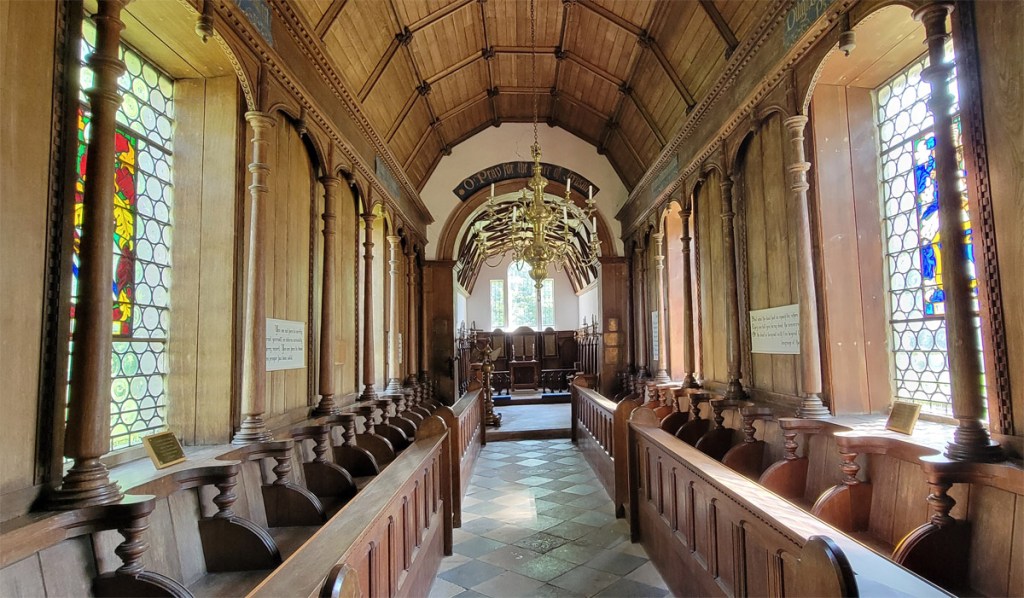
And there it is, the chapel, “the dull facade / And the tombstone” where the Ferrar family organized their short-lived religious community in the 17th century and where Eliot paused to reflect during World War II. Four Quartets asks difficult questions: What’s the meaning of this moment in time? What does it mean in relation to other moments in time? What is time anyway? As I fade into late middle age, what should hold meaning for me? Am I anything at all?
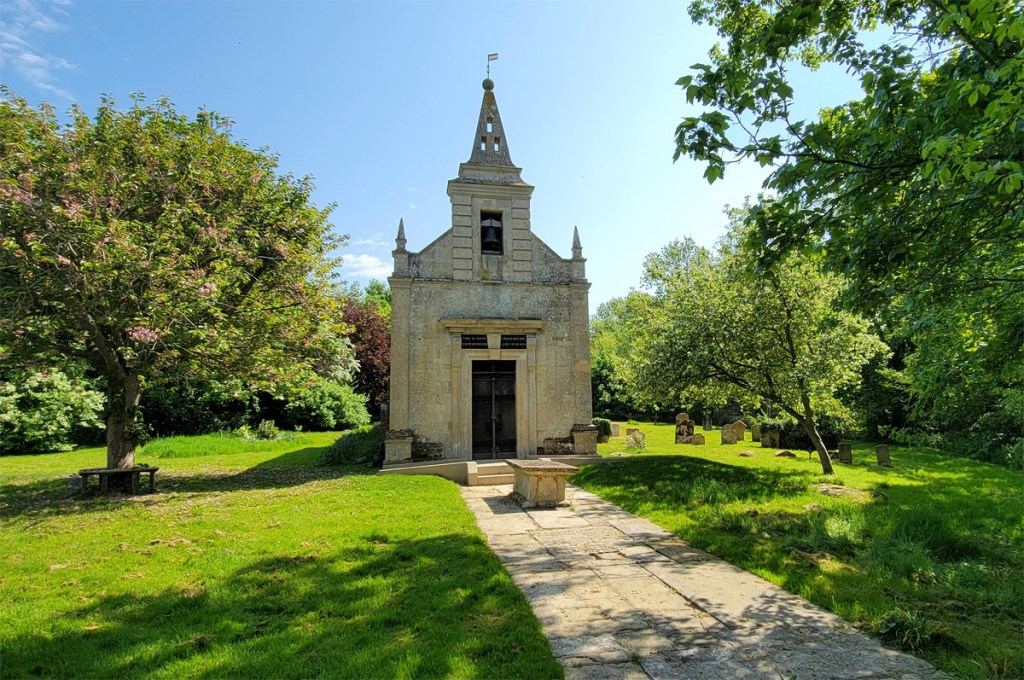
Eliot is unsentimental about the search, knowing these places, though touchstones, offer no answers in themselves:
And what you thought you came for
Is only a shell, a husk of meaning
From which the purpose breaks only when it is fulfilled
If at all. Either you had no purpose
Or the purpose is beyond the end you figured
And is altered in fulfilment.
It stings a bit to be rebuked by him, as if he anticipated the motives of the one or two visitors a day who sign the chapel guestbook:
You are not here to verify,
Instruct yourself, or inform curiosity
Or carry report. You are here to kneel
Where prayer has been valid.
I’m the same age Eliot was when he published “Little Gidding,” which I’ve seen described as his farewell to poetry. I think you need to be a certain age to get it, to make sense of his candid conversation with his past self, his resigned nod to the disillusionment of age, and his crisis of meaning in the midst of the war—all paired with his call to discern new beginnings and look to faith for more transcendent purpose, even though the answers defy human comprehension.
The young rental car guys at Huntingdon were amused at my same-day travel plans. They’d never been to Little Gidding, 12 miles from their workplace. They’d never heard of it, and they had no idea where or what it is. They’ll pass through their own Little Gidding eventually.
That night, back in London, I went to Cadogan Hall to see China Crisis celebrate the 40th anniversary of Flaunt the Imperfection, their jazzy 1985 stream-of-consciousness album that didn’t make much of a splash in America. The crowd was old and stiff, even during one of the band’s most danceable numbers. Showing slides of bandmates and friends who’ve passed away, singer Gary Daly told catty music-business stories, fondly memorializing a fading cultural era.
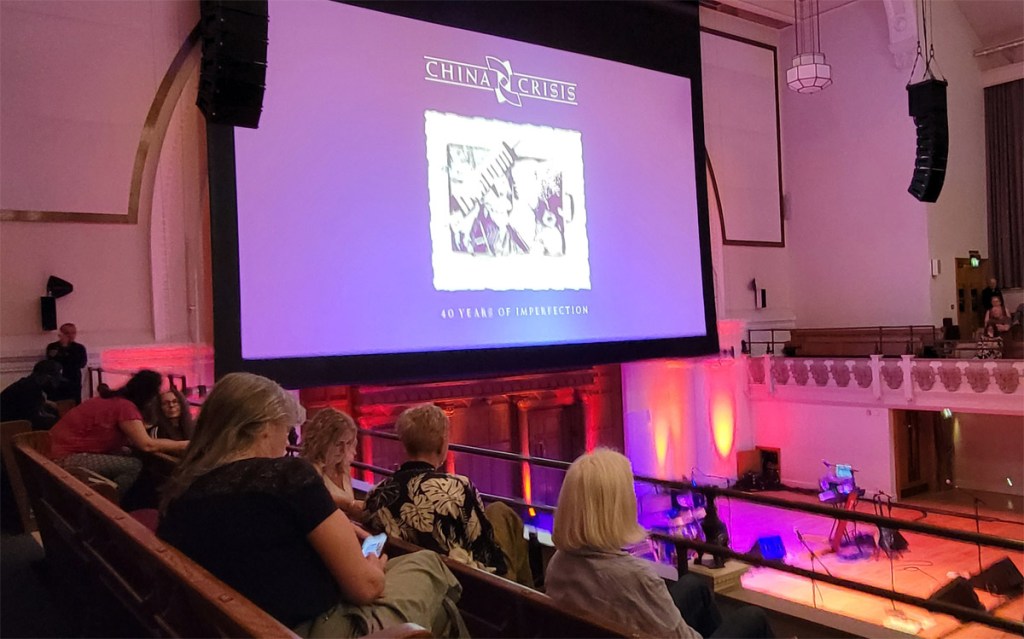
New Wave pop was a suitable coda to a day of poetry and prayer in a 17th-century countryside chapel. The China Crisis guys, now grandparents, poked fun at the elderly audience and themselves, knowing their day, and ours, is passed, but singing with heart nonetheless. I think Eliot might have appreciated them living fully amid the awareness of the paradox at the center of Four Quartets, their impermanence in human history but utter permanence in time:
See, now they vanish,
The faces and places, with the self which, as it could, loved them,
To become renewed, transfigured, in another pattern.
Sin is Behovely, but
All shall be well, and
All manner of thing shall be well.
 Quid Plura?